
The farm
A family farm among the pines of Setomaa.
Our story
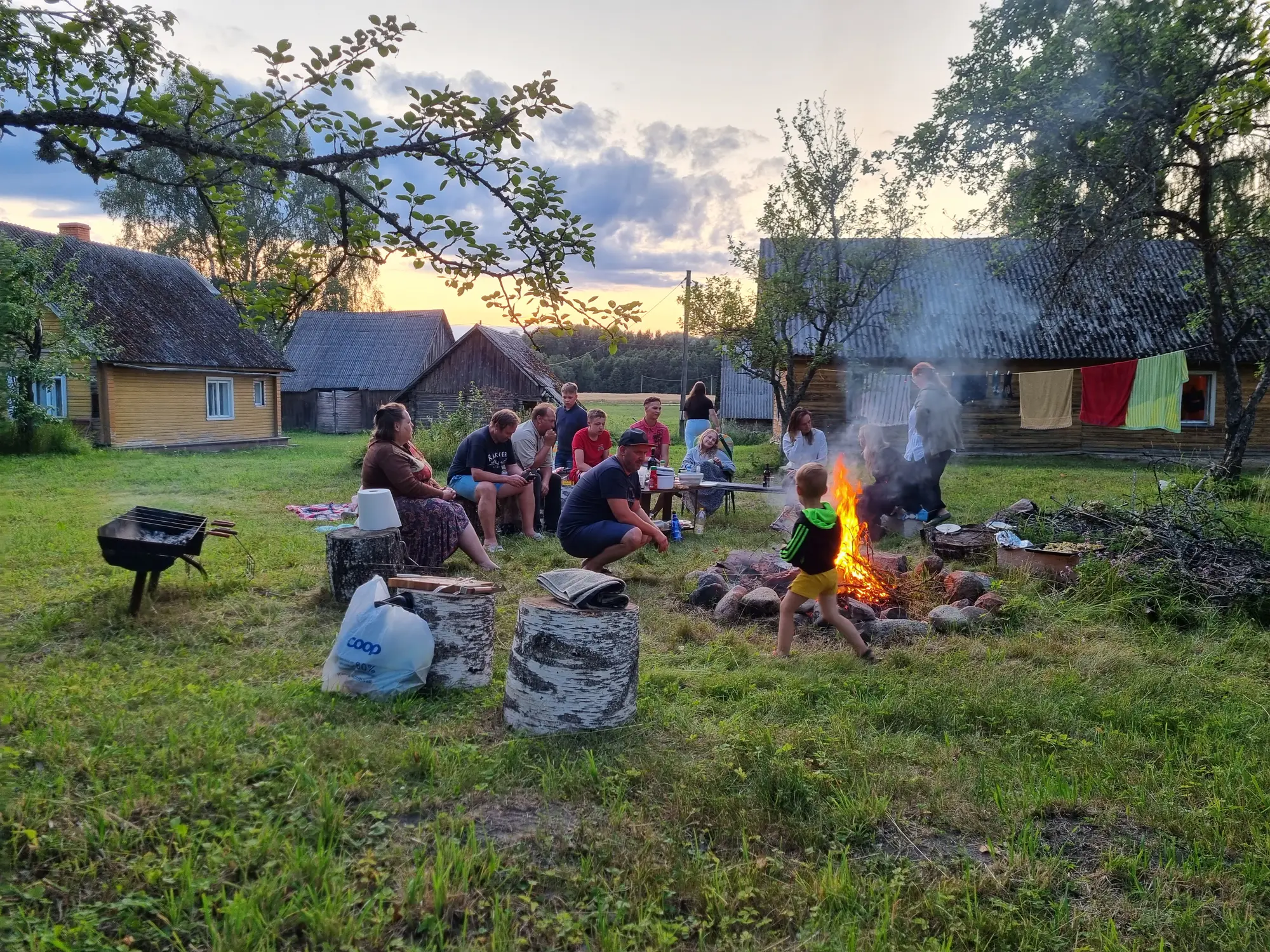
Männi Talu means “Pine Farm”, and pines are never far away here. The farm is run by our family, and every bush on it has been planted, pruned and picked by people who know it well.
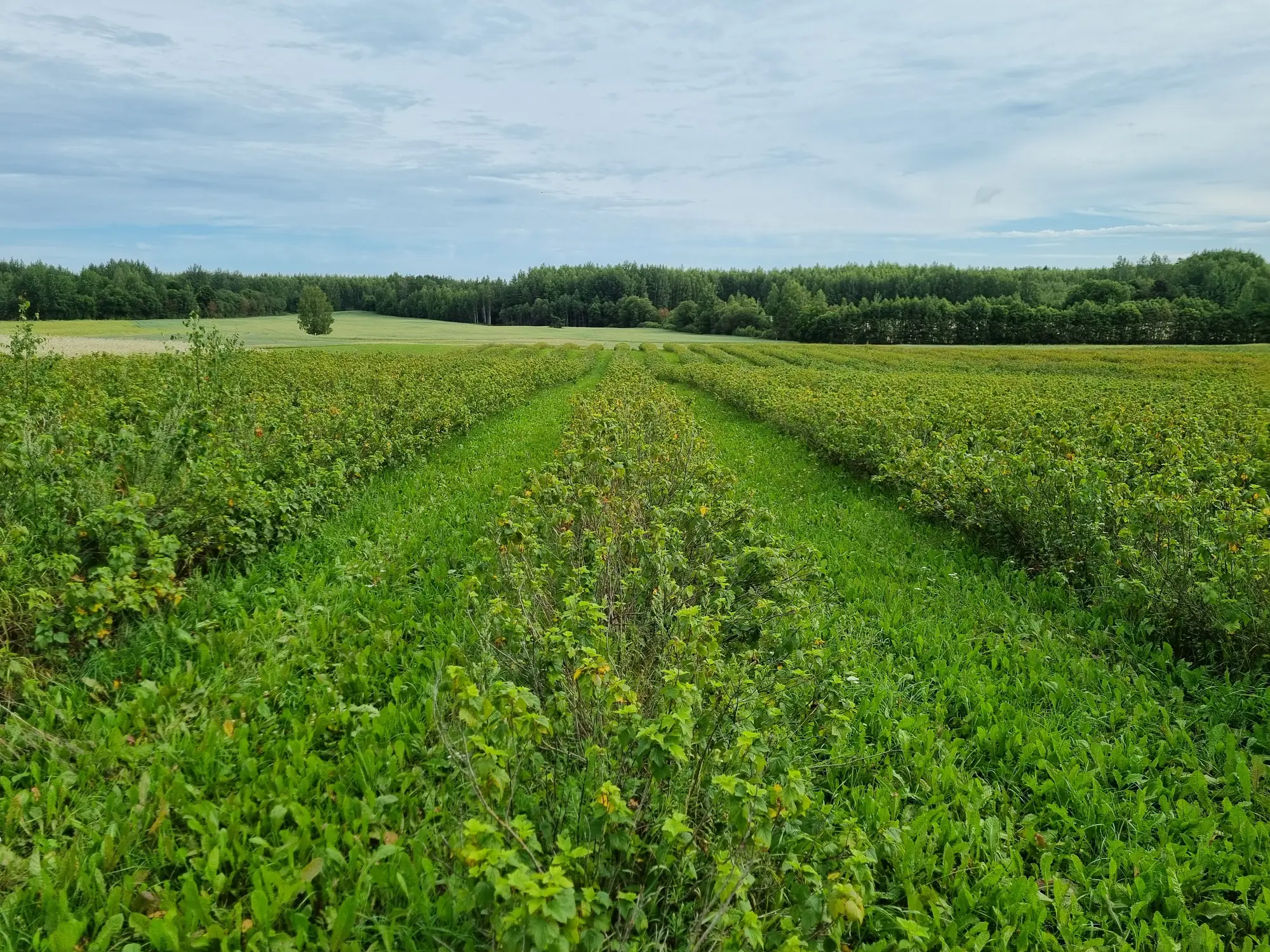
We chose blackcurrants because they belong to this landscape: they thrive in the cool climate and reward patient care with an extraordinary berry.
The land
The farm lies in a quiet corner of south-east Estonia, close to the Russian border, where forests, small fields and villages alternate. The air is clean, traffic is rare and the nights in June hardly get dark.
Setomaa
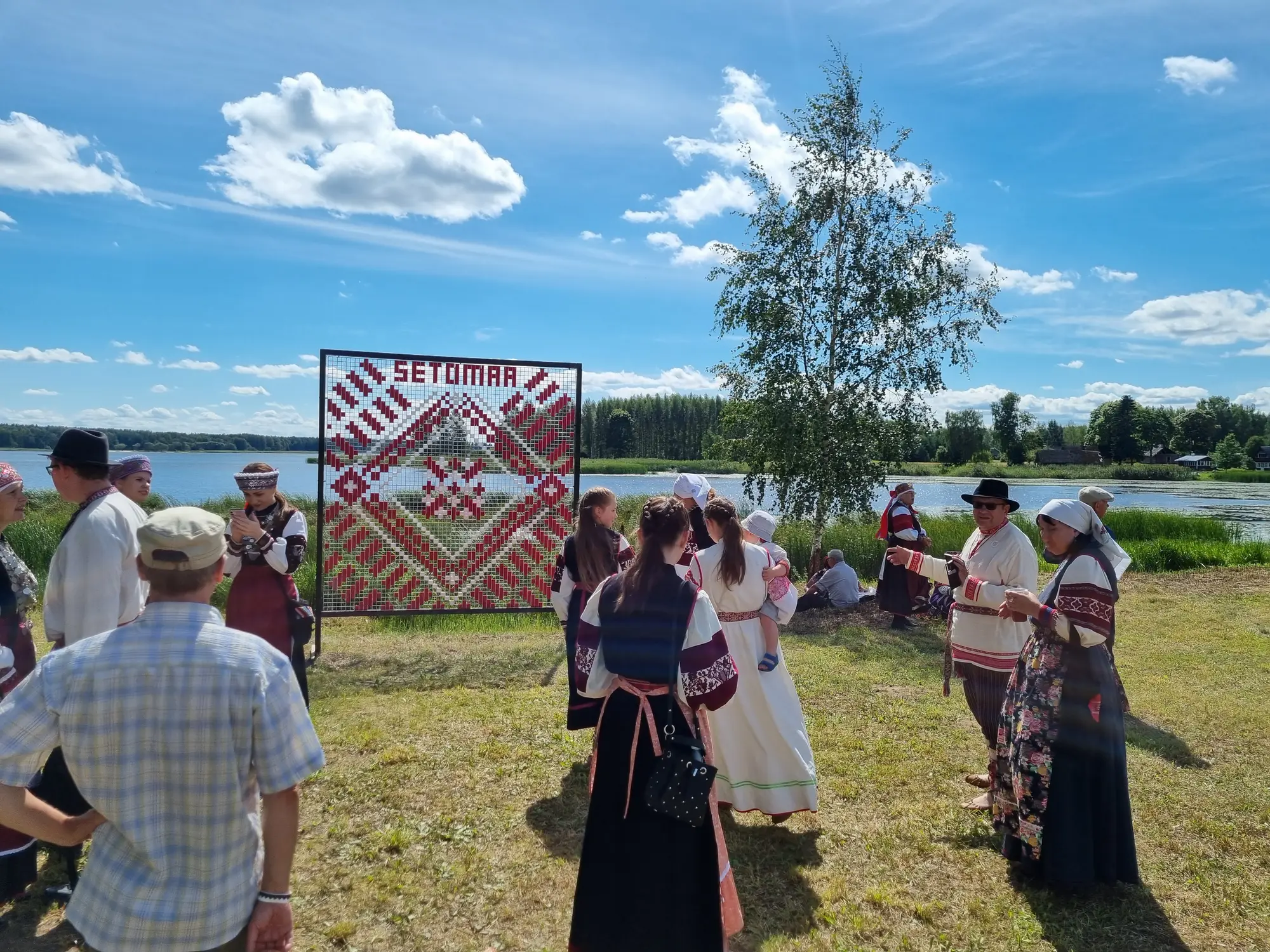
Setomaa is the homeland of the Seto people. Historically it stretches across today’s Estonian–Russian border, and the Estonian part is now the municipality of Setomaa in Võru County.
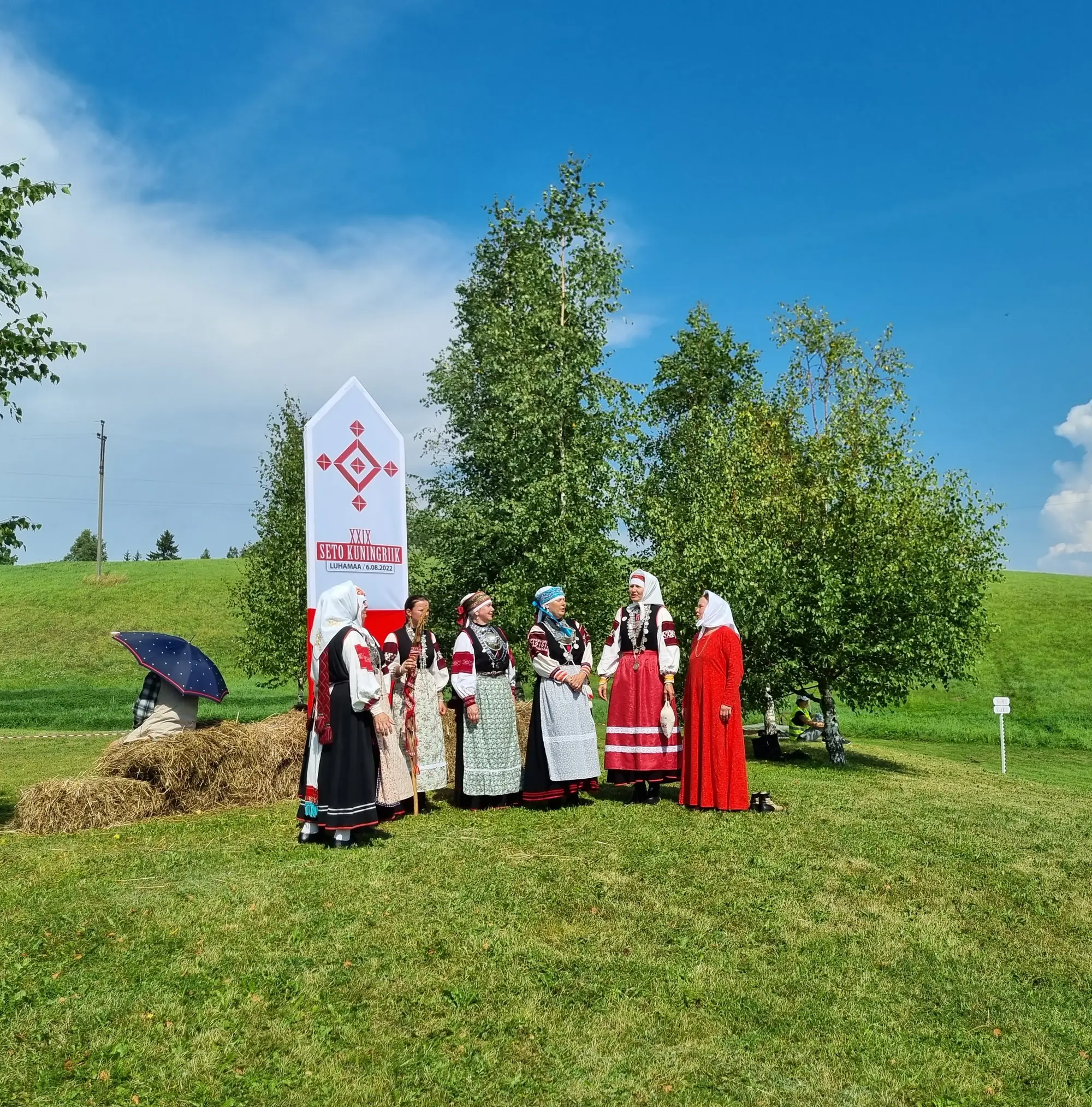
The Seto have their own language, close to the South Estonian dialects, and their own traditions — Orthodox village chapels, intricate lace and embroidery, heavy silver jewellery, and the leelo song, sung by women’s choirs in many voices.
Leelo
Seto polyphonic singing has been on UNESCO’s list of the Intangible Cultural Heritage of Humanity since 2009.
The Seto Kingdom
Every summer the Seto Kingdom Day crowns a representative of the Seto king Peko.
Lace and silver
Traditional Seto dress combines red embroidery and lace with large silver brooches and necklaces.